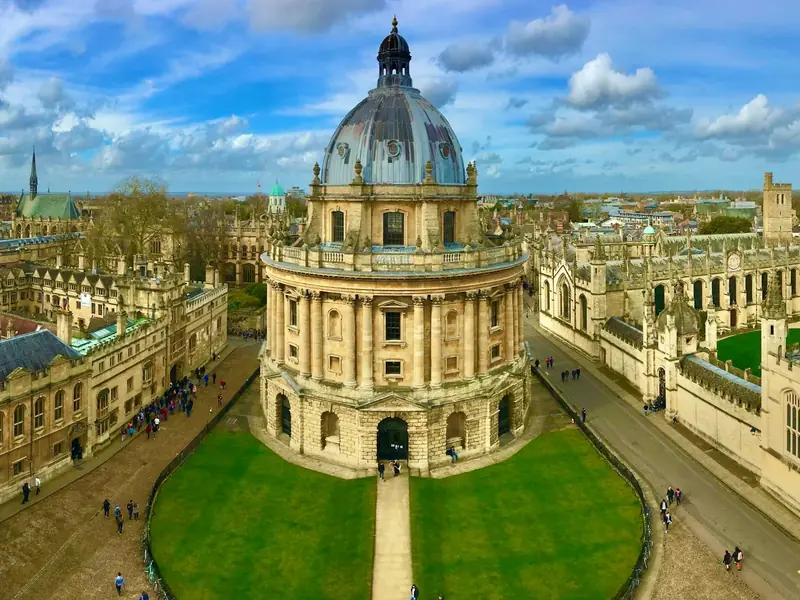
A UK master's degree appeals to many graduates from Türkiye because most taught programmes are short and intensive. UCAS notes that many postgraduate courses take around a year to complete. That intensity is a strength, but it also leaves little time to settle in, so careful choice and early preparation matter.
This guide is for students planning a start in 2027 or later, and for parents supporting them.
Taught or research, and choosing the course
Most students choose a taught master's, such as an MA, MSc or LLM, made up of modules, assessments and a dissertation. Research master's degrees, such as the MRes, centre on a larger independent project and can have stricter entry requirements. MBA programmes usually look for professional experience and may ask for a test such as the GMAT.
Course titles can hide large differences. Before applying:
- read the module list and the dissertation requirements, not just the title
- check whether the course is accredited by a professional body relevant to the student's career
- ask about class size, the mix of students and support for international students
- look at the calendar, because some taught master's courses run for a full twelve months, with the dissertation written over the summer
How and when to apply
Unlike undergraduate study, most master's applications do not go through UCAS. Students apply directly to each university, usually online, and complete a separate application for each one. Typical requirements are:
- a personal statement explaining why the student wants the course and what they will contribute
- references, often two, from academic tutors or employers
- official transcripts and the degree certificate, or evidence of the expected result
- an English test result where required; our article on choosing an English exam compares the main options
- a CV, portfolio or writing sample for some courses
UCAS advises that many courses starting in September or October need applications by June or July, and recommends applying at least six months ahead, around March. Students seeking funding from organisations in their home country should allow at least four more months. For a September 2027 start, the coming winter is a sensible time to apply, leaving room for offers, funding, accommodation and the visa.
How Turkish degrees are assessed
For a taught master's, UK universities normally ask for a bachelor's degree comparable to a UK upper second-class degree (a 2:1) or above, although some courses accept a lower second (2:2). Each university publishes its own equivalent for a Turkish CGPA, and these differ from one university to the next. Look for the university's country page for Türkiye, check whether it lists recognised Turkish universities, and contact admissions if your grading scale is unusual. Relevant work experience can strengthen an application, and for some courses it is expected.
Funding
Tuition fees for international students are normally higher than for UK students, and funding needs planning well before the application. Before applying, add up the full cost: tuition, accommodation, living costs, the visa application fee and the Immigration Health Surcharge. Options for meeting it include family funds, university scholarships, employer sponsorship and external awards. One well-known UK government scheme is Chevening: for 2027–28 study, applications opened in August 2026 and closed in October 2026, with interviews in March and April 2027. Candidates who are successful at interview must submit at least one unconditional offer from a UK university by 8 July 2027. Graduates interested in a later year should check the Chevening website for the next round and its eligibility rules.
Visa points to plan for
- ATAS. Türkiye is not on the exempt list, so Turkish nationals need an Academic Technology Approval Scheme certificate for certain postgraduate subjects, mainly in sensitive areas of science and technology. The university usually shows the subject code on the offer letter. Processing takes at least 30 working days, can be slower between April and August, and there is no fast-track service.
- Graduate Route. After a UK degree, graduates can apply to stay and work. Under current GOV.UK rules, the Graduate visa lasts two years for applications made on or before 31 December 2026, and 18 months for applications made on or after 1 January 2027. A student finishing a master's in 2027 or 2028 should therefore plan on the shorter period. Our article on the Graduate Route explains more.
Visa rules change often. Always follow the current guidance on GOV.UK; we help with planning, not legal advice.
How YES can help
We help graduates and young professionals choose courses that fit their goals, plan a realistic timeline and prepare a clear personal statement, in Turkish and English. Learn more about our university and postgraduate support or contact us.
Questions families ask
Do master's applications go through UCAS?
Usually not. For most courses, students apply directly to each university through its own online system.
When should my child apply for a September 2027 start?
UCAS recommends applying at least six months ahead, around March, and many courses close in June or July. Applying in the winter leaves more choice and time for funding and visa steps.
How long can graduates stay to work after a master's?
Under current rules, the Graduate visa lasts 18 months for applications made from 1 January 2027. Check GOV.UK for the latest position before making plans.
Sources and further reading
This article is general guidance, not legal or immigration advice. Rules change; always check the official sources before you apply.